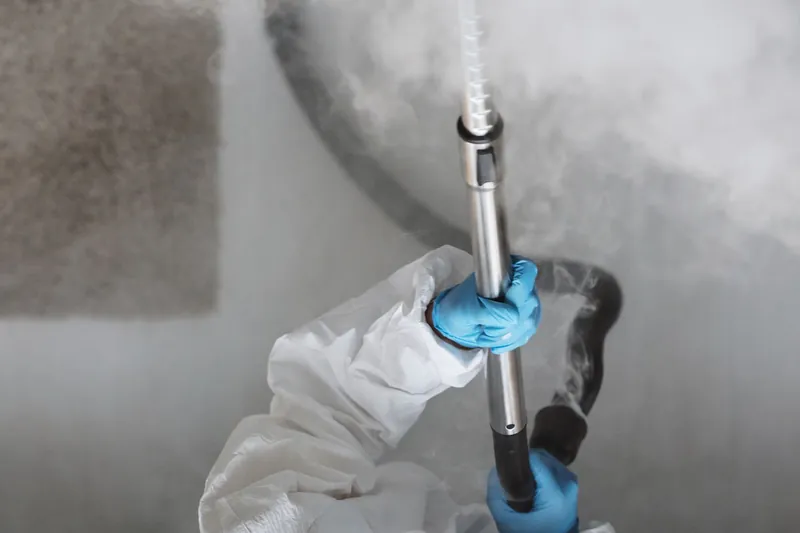
Infectious Disease Disinfection
Disinfection for infectious disease uses EPA-registered products with complete coverage of surfaces.
See infectious disease disinfectionGet MRSA, C. diff or norovirus contamination cleaned from a home, rental, gym, care setting or workplace in Sleepy Hollow Station. The work can include containment, surface cleaning, target-specific disinfection and controlled waste packaging.
MRSA, C. diff and norovirus cleanup is focused cleaning and disinfection after an illness, exposure or outbreak has contaminated a home, room, vehicle or shared facility.
Each organism requires its own cleaning approach. Several antibiotics do not work against the bacterium MRSA. Norovirus is a virus that spreads very easily through objects, food, bodily fluids and contaminated hands. Another bacterium, C. diff, is able to produce hardy spores. Surface preparation, disinfectant choice and contact time all have to agree with the product label for the identified organism.
First, the affected locations, frequently touched points and materials that could retain contamination are identified. Technicians then isolate the work area and put on protective gear. They clear visible soil, clean each surface and use an EPA-registered disinfectant as its label directs. Porous belongings also require attention. Contamination in unfinished wood, padding or fabric may remain beyond the reach of a brief surface spray.
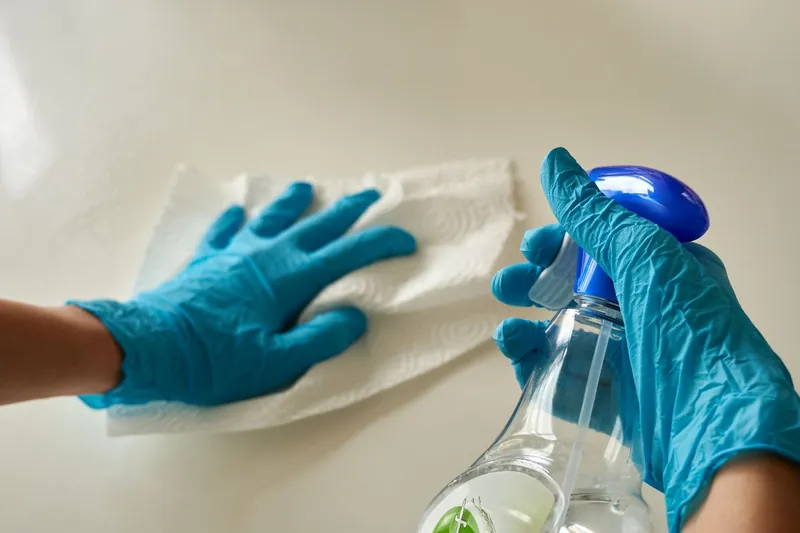
Calls receive an answer at any hour, while crews travel in unmarked vehicles. You can talk privately about a rental, care environment, workplace or residence.
Photos, documentation of scope and records for disposal can assist conversations involving a facility manager, property owner, infection-control lead or insurance company as you move forward.
The pre-cleanup explanation covers included spaces and surfaces, separately treated items and the factors that shape cost.
Contact and material type guide the assessment of textiles, shared gear and personal property. You can discuss belongings that might need removal prior to their departure from the affected area.
When routine housekeeping is not safe for the affected space, specialized cleaning may be useful. It can also help where many people use common surfaces. Examples include:
Bedrooms, kitchens, bathrooms or shared areas can be affected by an abrupt illness. The cleanup scope follows every surface, textile and object that may have been touched or contaminated.
Property managers may need a documented cleaning process before a room returns to use. Linens, restrooms, housekeeping tools and hard surfaces are evaluated together.
Focused cleaning may be appropriate when someone with a known infection has used a room, bathroom, exercise space or shared item. The focus includes surfaces touched often or directly.
Shared equipment, lockers, benches, mats and door fixtures are examined carefully. Treatment of cleanable surfaces keeps used tools and cloths from entering unaffected spaces.
First, limit contact and maintain a clear border around every area that may be affected. The following actions can protect you and reduce the spread of contamination:
Call (888) 440-9227A separate cost range covering C. diff, norovirus or MRSA cleanup is not available in published guides. The nearest related guides for biohazard work cite a full published span between $1,500 and $25,000 in total. For most residential projects, they list $2,500 through $8,000 depending on scope, with a residential average range from $1,800 to $4,500 and a typical national range from $3,000 to $5,000 overall. These ranges are not a quote for your property. Your scope will reflect the area affected, the surfaces involved and the disposal needs.
These ranges come from published national cost guides, not from a site visit. The price for your property is set after the on-site assessment, and you hear it before work starts.
Ask about cost: (888) 440-9227Whether payment applies is determined by the contamination's cause, property type, policy conditions and any facility agreement or lease in effect. Ask the insurance company about its required records as your first step toward assistance.
When cleanup follows a covered event, some renters or homeowners policies may pay for professional cleanup. Describe what happened, keep your claim number and ask directly about infectious disease or biohazard cleanup.
A gym, school, care setting or business needs to follow its own approval procedure and infection-control plan. The owner, manager and insurance company can determine who authorizes work and pays.
Find out whether insurance companies require photographs, scope documentation, disposal records or itemized lists. When there is no safety risk in waiting, retain property until instructions arrive and keep every communication.
Who is responsible may depend on local requirements, the lease and what caused the problem. Property owners and renters should agree about access and document affected rooms prior to moving any contaminated property.
Assessment comes first, followed in a controlled order by containment, cleaning and disinfection, with a final inspection at the end. Decisions at each stage reflect the affected space, its surface materials, the organism of concern and directions printed on the selected product labels.
Technicians evaluate the involved rooms, porous materials, shared equipment and high-touch areas. Details about the organism of concern shape both product selection and cleanup order.
The work zone is separated from clean space. The plan limits entry, matches protective gear to the work and establishes a path for incoming tools and outgoing sealed waste.
Disposable items and porous materials that cannot be fully cleaned may be bagged within the work zone. Hazardous materials stay separate from reusable items that can follow a suitable cleaning or laundering path.
Visible soil and organic material are removed first. Clearing material left behind lets the disinfectant reach the surface without becoming blocked or weakened.
Treatment uses an EPA-registered disinfectant with an organism-appropriate label claim on surfaces that can be cleaned. The surface stays wet throughout the contact time listed on the label.
Used linens, protective equipment, cleaning cloths, mop heads and other items are kept away from clean supplies. Each item follows the appropriate laundering, cleaning or waste disposal path.
Inspection of the work area covers high-touch surfaces, hidden transitions and the edges of floors. Documentation covers what was completed and identifies items that were removed or set aside.
You receive a summary of the treated areas and any remaining facility steps. Restoration services may become necessary after contaminated materials are removed from the building. Precautions for people beyond the physical cleanup are set by medical, infection-control or public health guidance.
Call any hour. A specialist in MRSA, C. diff and norovirus cleanup takes your call, explains each step and agrees on a start time with you.
These infections may create serious health risks, and each can spread differently. Safe cleaning therefore varies with the specific organism, the material affected and people's use of the area.
Laundry, hands, mop heads, cleaning tools and cloths can transfer contamination into surrounding areas. Separate supplies and an established work path help limit further movement of contamination.
Illness at home, at work or in a care environment may feel both disruptive and urgent. You can stay clear of the affected area while learning what will be cleaned and how safe return will work.
Direct contact and contaminated items can spread MRSA. Affected shared towels, exercise gear, door hardware and other high-touch surfaces need careful cleaning in the affected area.
Can you clean it yourself? Routine cleaning may be enough when no illness or exposure is suspected and the area is limited to ordinary household soil. After a known or possible infectious illness, professional cleanup may be needed when porous items contain bodily fluids, the impact reaches several rooms or shared facilities, or clean belongings cannot be isolated from contaminated ones.
Compatible hard surfaces that can be reached are generally suitable for cleaning and disinfection. Each porous item must be assessed separately because contamination may penetrate beneath its surface.
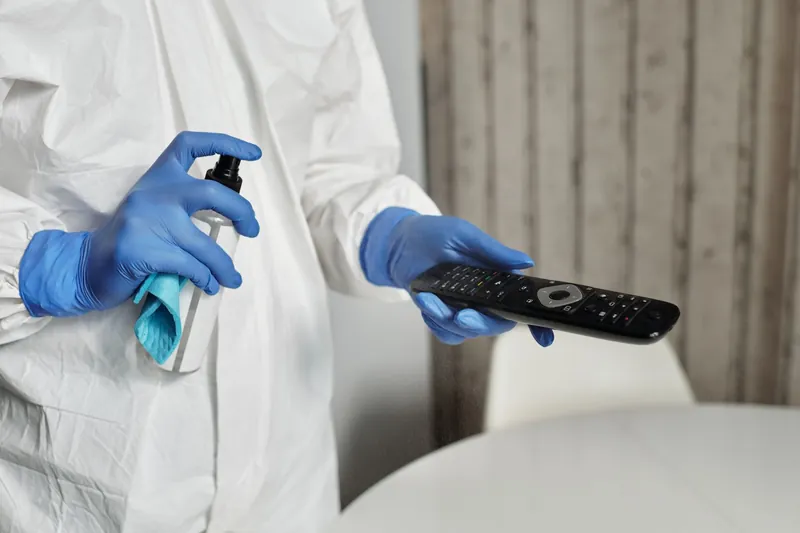
OSHA standard 29 CFR 1910.1030 applies to workers with possible occupational contact involving certain potentially infectious materials or blood. Its requirements address protective equipment along with training and exposure control.
The selected product needs EPA registration plus a label claim appropriate to the target organism and material. Proper use requires both surface cleaning and the complete contact time listed on the label.
Kentucky has no single medical waste agency. The Energy and Environment Cabinet's Division of Waste Management permits medical waste transfer stations, and most landfills accept this waste only after treatment, so it should not go in household trash.
Local health and building rules can affect how a contaminated room is cleaned and when it can be used again, so mention any notice you have received from the city or county.
Timing is determined once the organism, affected surfaces and rooms have been evaluated. Work on one limited area of hard surfaces is shorter than work across multiple rooms containing porous items, shared equipment or textiles.
The full MRSA, C. diff and norovirus cleanup guide covers what is cleaned or removed, odor and air quality work, and the rules that apply in Fayette County.
Read the full MRSA, C. diff and norovirus cleanup guideLocal population patterns, housing and site access may affect how containment and cleanup are planned.
Sleepy Hollow Station is listed about 2.5 miles from Saint Joseph East, a relevant distance when prompt evaluation follows a biohazard exposure.
Crews coming in from Todds Station, Home Place or Creekside at Andover should keep vehicles and equipment staged close to the affected property for privacy.
The Fayette County location helps orient travel, while the neighborhood and full address identify where private cleanup work actually occurs.
Medical questions belong with a clinician, while surface disinfection follows label directions, including the required wet contact time.
Ask on the call about cleanup options for neighboring communities and ZIP codes.
Disinfection for infectious disease uses EPA-registered products with complete coverage of surfaces.
See infectious disease disinfection
Homes, workplaces and common areas receive virus disinfection following an outbreak.
See covid-19 and virus disinfection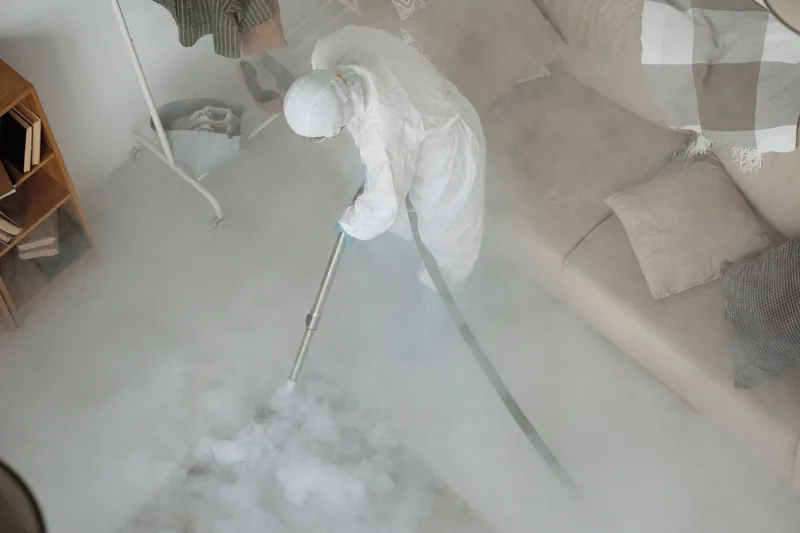
Complete decontamination treats the room, its surfaces and the air after a hazardous or infectious exposure.
See biohazard decontamination
Cleanup removes infectious material, including blood and body fluids, and disinfects the property.
See biohazard cleanup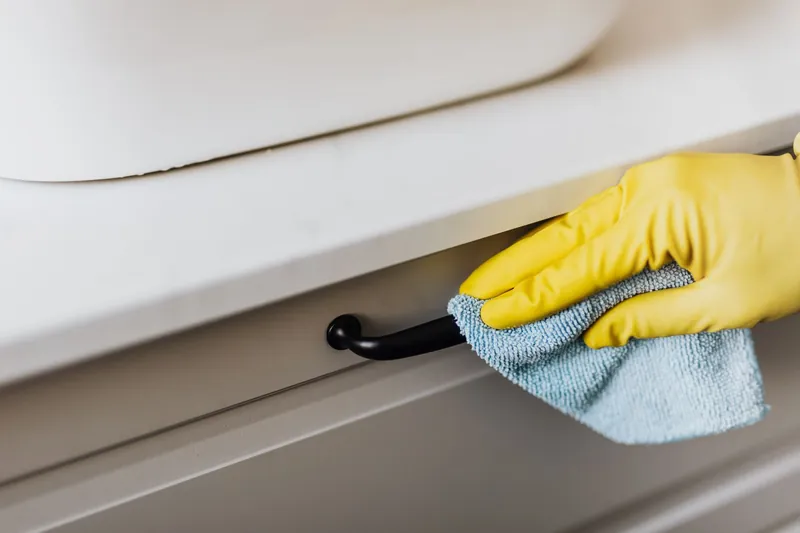
Bodily fluid cleanup removes fluids and disinfects affected areas in businesses, homes and care settings.
See bodily fluid cleanup
Human feces cleanup includes disinfection in homes, public restrooms and rental properties.
See human feces cleanup
Medical waste removal and disposal through approved treatment facilities.
See medical waste removal
Commercial and industrial biohazard cleanup planned around site access and operating needs.
See commercial and industrial biohazard cleanupA small household space might be manageable when you can use the disinfectant safely according to its label and follow public health instructions. Consider professional cleanup when bodily fluids reached porous material, several rooms are affected, vulnerable people share the space, or you cannot keep used tools, laundry and waste separate from clean areas.
No one timeframe applies reliably to every property. Timing varies with the rooms involved, types of surfaces, fabrics, shared items, visible soil and contact time listed by the disinfectant. A phased approach or additional public health guidance may be necessary for a facility before people come back.
A distinct MRSA cleanup range is not included in published guides. In related public biohazard cost guides, the typical national range is $3,000 to $5,000 and the average residential range is $1,800 to $4,500. These are reference figures. Room count, materials, visible soil and waste needs determine the actual scope.
Treatment is usually possible for hard, cleanable surfaces if every affected side is accessible and the product is compatible. Individual evaluation is needed for porous items such as upholstery, unfinished wood and padding beneath carpet. Removal may be necessary if contamination entered layers that cannot be safely reached, cleaned and disinfected.
Limiting entry, isolating the affected area and controlling tool movement help keep it apart from clean spaces. Clean supplies are kept separate from waste, used protective equipment, laundry, cloths and mop heads. Before applying the selected disinfectant for its entire label contact time, cleaning proceeds in a planned order.
Whether coverage applies depends upon the event, property and insurance policy. Your question to the insurance company should specifically address biohazard cleanup or infectious disease work. Record the claim number and request a list of requirements for photographs, disposal records, scope documentation and item lists. A facility or rental may also have internal or lease-based payment rules.
Discreet, respectful MRSA, C. diff and norovirus cleanup, 24 hours a day, with crews in unmarked vehicles.